Mold Testing in Dayton, MN
Mold testing assesses suspect surfaces and moisture concerns in your Dayton property, with targeted samples when useful. Call 24/7 to start your assessment and define the next step.
- Inspection before sampling
- Moisture source checked
- Results tied to a clear scope
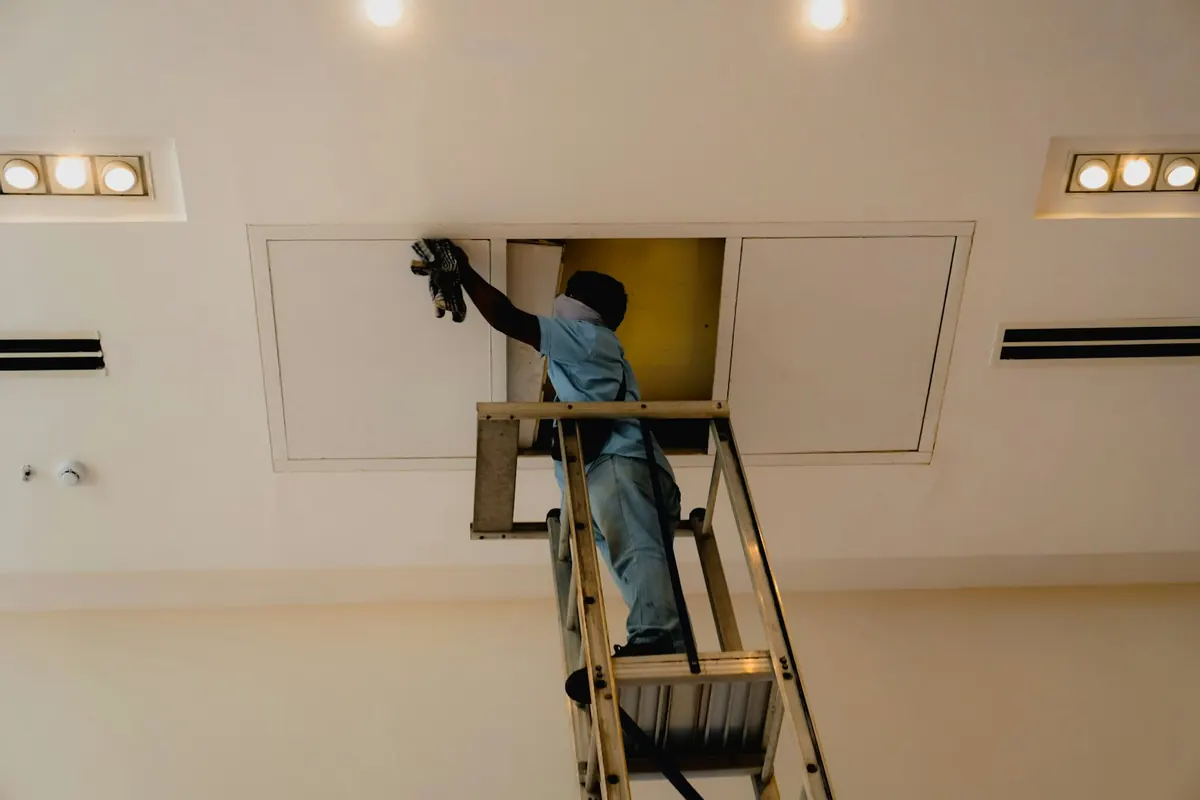
Dayton Mold Testing Services
Your assessment examines questionable walls, stained ceilings, cabinets with dampness and musty rooms. Moisture mapping together with a visual inspection determines if samples would be useful.
Air sampling examines airborne mold spores. Surface sampling uses a tape lift or swab sample for mold identification at a selected spot. Your sampling protocol defines the purpose before collection.
Your report links each finding to its location and moisture readings. Where specified, outdoor comparisons inform the interpretation of counts. It also explains the limits and what comes next for affected materials.
- Moisture mapping and mold identification
- Indoor sample locations chosen for air sampling
- For surface sampling, a tape lift or swab sample
- Lab results interpreted within your sampling report
- Separate cleanup scope when needed
Signs Your Hennepin County Home Needs a Mold Assessment
Assess unexplained marks, moisture on finishes and odors in your home. Sampling targets specific unknowns.
Odor Remains After Cleanup
Before starting repairs, have conditions checked for lingering odors or dampness.
Spots Return After Cleaning
Repeated growth prompts investigation of unresolved moisture.
Musty Odor With No Source in Sight
A lasting odor beside cabinets or floors calls for moisture checks ahead of sampling.
Stains After Water Intrusion
Inspect areas marked by ceiling stains, damp floors or swelling trim.
Uncertain Surface Marks
Consider sampling unfamiliar spots if you cannot determine what the spots are.
How Mold Testing Works Across Greater Minneapolis
Inspection and sampling come first. If separate cleanup follows, findings inform removal and verification.
Property and Mold Assessment
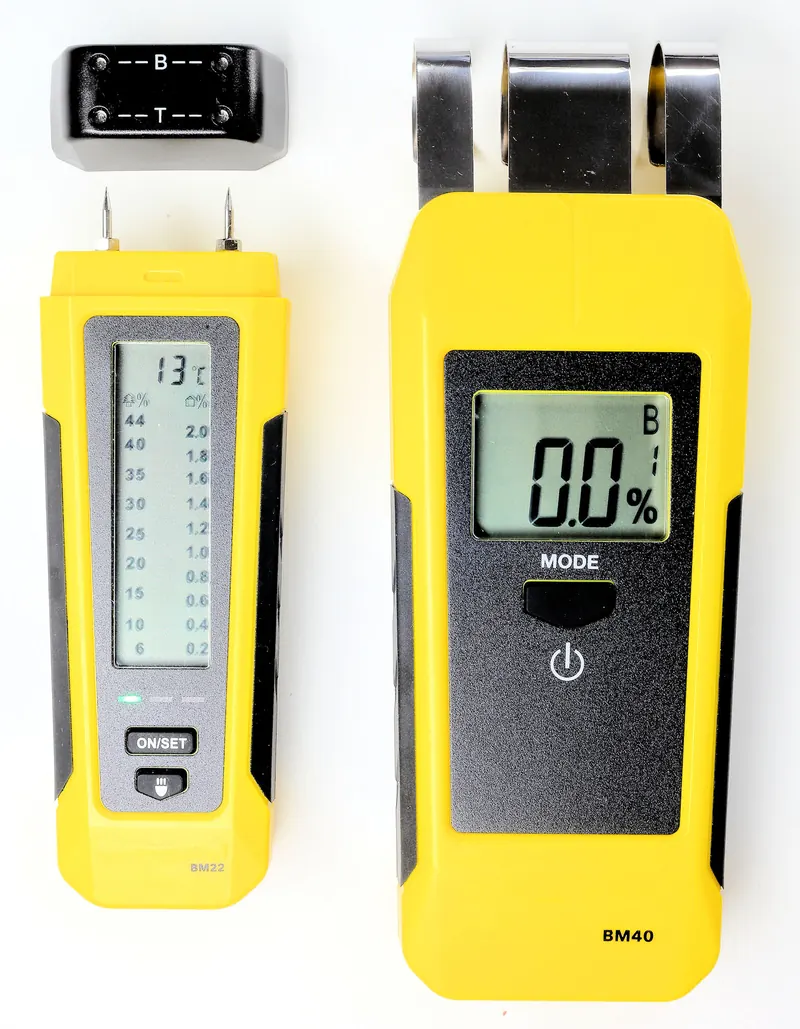
Your rooms, visible mold growth and water damage are assessed. Dampness is mapped with a moisture meter; a thermal imaging camera detects temperature variations, not mold.
Moisture Source and Sample Scope
Leaks, along with dampness, guide your written scope of work. Collection starts after the testing cost, sample locations and methods have been specified.
Mold Sample Collection and Analysis
An air test may use a pump and spore trap. An independent testing lab receives labeled samples of air or surfaces for analysis and interpretation in context with site findings.
Containment for Separate Removal Work
If cleanup follows, a remediation protocol defines the affected area. Disturbance begins only after containment is established with protective equipment and HEPA filtration.
Damaged Material Removal
Within containment, damaged porous materials are bagged as part of separately defined cleanup. Drywall removal opens cavities so cleaning and moisture correction can proceed.
Surface Cleaning and Drying
Suitable cleaning and work with a HEPA vacuum treat sound surfaces. Drying equipment and moisture readings support cleanup as the water problem is corrected.
Independent Post-Remediation Verification
An independent assessor performs specified clearance testing after cleaning and drying. Moisture findings, along with visual conditions, continue to inform post-remediation verification.
Containment Removal After Final Checks
Containment comes down after agreed final checks. Replacement finishes cover the area only once remaining cleanup or drying is complete.
Why Choose Minneapolis Mold Removal Services for Mold Testing
A Clear Next Step
Your findings guide additional investigation, the scope of removal or agreed checks following cleanup.
A Defined Sampling Scope
Your sampling price and purpose, along with collection locations, are explained ahead of collection.
Moisture Before Mold Samples
Before selecting useful samples, your assessment checks water entry and damp materials.
Mold Results With Context
Your visible conditions, inspection limits and moisture readings form the context for explaining lab findings.
Calls Answered 24/7
One number lets you begin an assessment throughout the metro during nights and weekends too.
Preparing for Your Mold Test in Dayton
Keep questionable surfaces intact while you arrange an assessment by phone.
- Stop water safely. When safe, discontinue use of a leaking fixture and avoid electrical equipment exposed to water.
- Keep suspect surfaces intact. Until growth is assessed, neither scrape nor sand nor dry-brush the growth.
- Avoid spreading particles. Keep fans pointed away from growth, and leave potentially contaminated HVAC equipment off.
- Allow room access. Clear your path into affected rooms without relocating materials with mold.
- Limit fresh water damage. EPA recommends preventing mold growth by drying items and areas damaged by water within 24 to 48 hours.
Dayton, MN Mold Testing Cost
Your price depends on sample type, count and inspection scope. These Fixr ranges are per test. Inspection, lab and interpretation charges are defined before work; removal and repairs are separate.
Testing only, overall range
$50 to $700 per testSource: Fixr, Mold Inspection Cost (checked 2026-10-23)Stain testing alongside surface samples and air samples
$150 to $200 per testSource: Fixr, Mold Inspection Cost (checked 2026-10-23)What Changes Your Sampling Price
- Report detail and interpretation
- Moisture mapping needed
- Access to concealed spaces
- Lab turnaround requested
- Sample type and count
The Price of Your Property's Mold Assessment
These published national ranges are planning figures. Your on-site assessment defines the work and price before cleanup starts, including any separate source repairs or rebuilding.
Call (844) 352-3560 about costMold Testing Service Area Across Greater Minneapolis
Call (844) 352-3560 to arrange cleanup in Dayton or nearby communities. One number covers the metro.
Answers to Mold Testing Questions in Dayton
Does testing include fixing the moisture problem?
Testing helps identify conditions and guide decisions, but repairs to leaks and removal of growth are separate. Your findings define necessary moisture corrections and any separate cleanup work. Plumbing, roof or ventilation repairs are included only in an agreed repair scope. If cleaning leaves the water issue unresolved, mold may grow back.
Are you able to remain home for the assessment?
You may stay in unaffected rooms while inspection and sample collection take place. Whether shared ventilation is involved or suspect materials require opening determines limits on access. Your assessment defines those restrictions before disturbance. For later removal, a separate plan covers occupancy and the work area according to cleanup scope.
Do you need samples before removing visible mold?
Generally, no. EPA says you usually do not need sampling if visible mold growth is present. First, your inspection identifies moisture problems and the surfaces affected. Choose samples to resolve a specific question, such as an unclear surface finding or a required check following cleanup.
When can you expect test results in Dayton?
Timing depends on the visit scope, laboratory method and sample workload. Your schedule lists collection separately from sample analysis and the final explanation. More rooms or difficult access can extend the assessment. If the source stays unclear, the report identifies additional investigation while combining observations and laboratory findings.
Do walls or flooring have to be removed?
You may collect samples without requiring demolition. Assess accessible surfaces first; identify invasive investigation if concealed conditions require examination. Later cleanup may involve cleaning sound surfaces and removing damaged porous materials when necessary. A mold name alone cannot set that scope; access and material condition determine the extent.
Which factors change your home mold test price in Hennepin County?
Sample type, sample count, access and report detail affect your total. Consult the published cost cards for sourced ranges per test. Your scope identifies the inspection, interpretation and laboratory analysis ahead of work. Do not assume sampling prices cover cleaning, demolition, replacement materials or drying.
Can you use samples to check the cleanup afterward?
After removal, drying and cleaning are complete, an independent assessor conducts the specified clearance testing. Evaluation considers both visible conditions and moisture findings alongside any collected samples. Agreed verification precedes both removal of containment and repairs that hide the work. One result cannot mean a universal pass under a federal indoor mold limit, because no such limit exists.
Mold Tests and Insurance in Minnesota
Your homeowners policy and the moisture event determine whether testing is covered. Filing a claim alone does not confirm coverage for an inspection, sample collection or subsequent cleanup.
Mold Sampling Limits Across Greater Minneapolis
A sample describes the location and conditions at collection, not every room or concealed surface.
Hidden Growth
Opening suspect materials can release particles; invasive investigation needs appropriate controls.
Mold Test Kit Limits
A kit neither locates hidden wet materials nor takes the place of a property assessment.
Mold Names and Counts
Identifying mold types or counting spores does not establish personal health risk.
Mold Color
CDC says color does not tell you how risky a mold is.
Cleanup scope: EPA says you can often clean an area yourself if under about 10 square feet. Mold from sewage or contaminated water, HVAC systems and larger areas require professional help.
Materials Assessed for Mold in Hennepin County
Taking samples does not clear damaged materials. Your findings shape separate cleanup according to material condition.
Non-porous surfaces
- Sound glass, metal and hard fixtures may be cleaned during remediation.
Wood framing
- Cleaning and drying may suit sound wood, but assess deteriorated framing for repair needs.
Porous finishes
- Moldy drywall, ceiling tile and carpet may need removal rather than surface cleaning.
Understanding Your Mold Test Schedule in Hennepin County
Your schedule separates the property visit, laboratory analysis and explanation of findings.
- Site visit: Room accessibility, concerns over concealed dampness and property size shape how much assessment is needed.
- Lab analysis: How many samples need analysis, the analytical method and the lab's workload determine results timing.
- Final findings: Site observations are interpreted with lab findings, and conditions left unresolved may warrant more investigation.
Understanding Mold Odor and Moisture in Hennepin County
Persistent odor is investigated with moisture and material checks. An air quality test alone does not fix its source.
For your indoor relative humidity, EPA recommends staying below 60 percent, with 30 to 50 percent as the ideal range. A dehumidifier helps control humidity; leaks still need repair.
Requirements for a Mold Assessment in Minnesota
Assessment Requirements
The Minnesota Department of Health says neither the state of Minnesota nor any federal agency licenses or certifies mold investigators or remediators. If you are hiring someone, ask about their training and experience, and check your local contractor rules.
Federal Mold Limits
EPA says indoor mold levels have no federal limit.
Sampling Purpose
EPA guidelines say samples are generally unnecessary when visible growth is present.
State Mold Information
The Minnesota Department of Health, Environmental Health Division, Indoor Air Unit offers phone and email advice on mold at 651-201-4601. It does not offer inspection or testing services.
State guidance: Minnesota Department of Health: Mold in homes; Minnesota Revisor of Statutes: 513.55 Disclosure
Related Services and Next Steps
Start Your Mold Testing in Dayton
Call 24/7 to arrange your assessment. Your cleanup starts with the affected surfaces, moisture source and access to your home.